Lullabies for the Longest Nights
Why so much of the music of the darkest season is sung to a child.
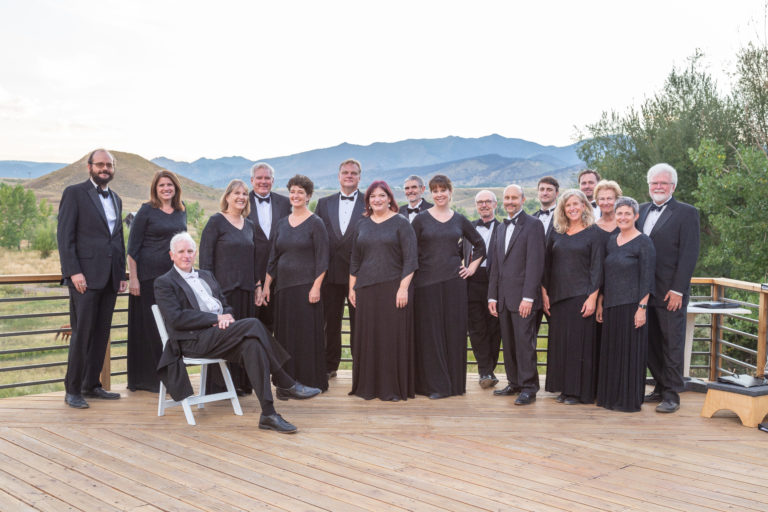
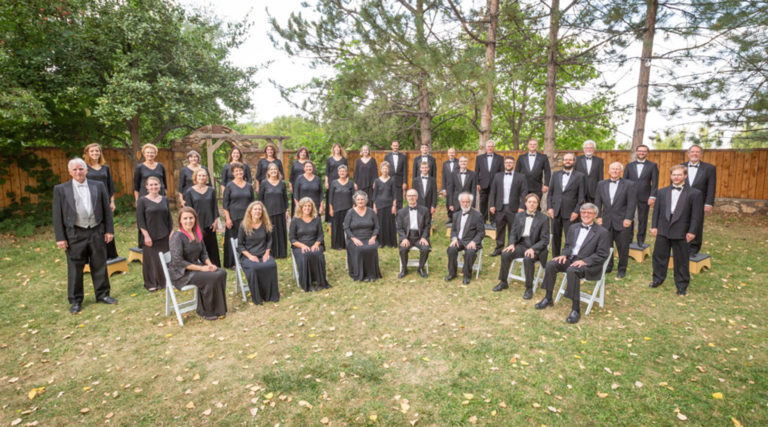
This December, Ars Nova Singers presents Darkness & Light: A Solstice Celebration, the second concert of the 2026/27 Confluence season, conducted by Artistic Director Tom Morgan with guest artist Gavin Kitchen, principal percussionist of the Longmont Symphony Orchestra, on vibraphone and percussion. The choir sings it on Thursday, December 10 in Longmont, Sunday, December 13 in Denver (also streamed live), and Thursday, December 17 and Saturday, December 19 in Boulder. The second half holds three songs addressed to a child: J.S. Bach’s O Jesulein süss in an arrangement by Edwin London; Lully, Lulla, Lullay by the English composer Philip Stopford, a setting of the sixteenth-century Coventry Carol; and Alfred Burt‘s Some Children See Him. A lullaby is the oldest kind of light a person makes in the dark.
Sweet little Jesus
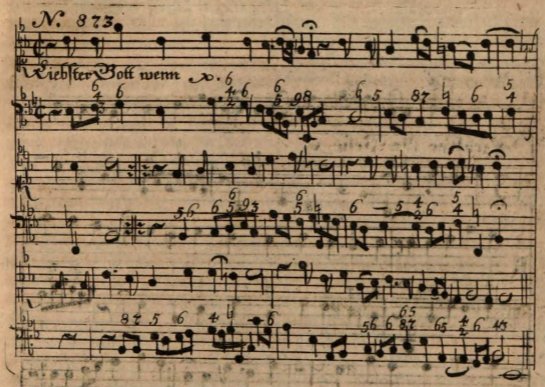
Bach’s O Jesulein süss, “O sweet little Jesus,” comes from a modest source: a 1736 hymnbook edited by Georg Christian Schemelli, for which Bach supplied melodies and figured bass. It is music for a family at night, a single voice and a keyboard, the scale of a room with one candle. On this program it is sung in a choral arrangement by Edwin London.
The hardest lullaby
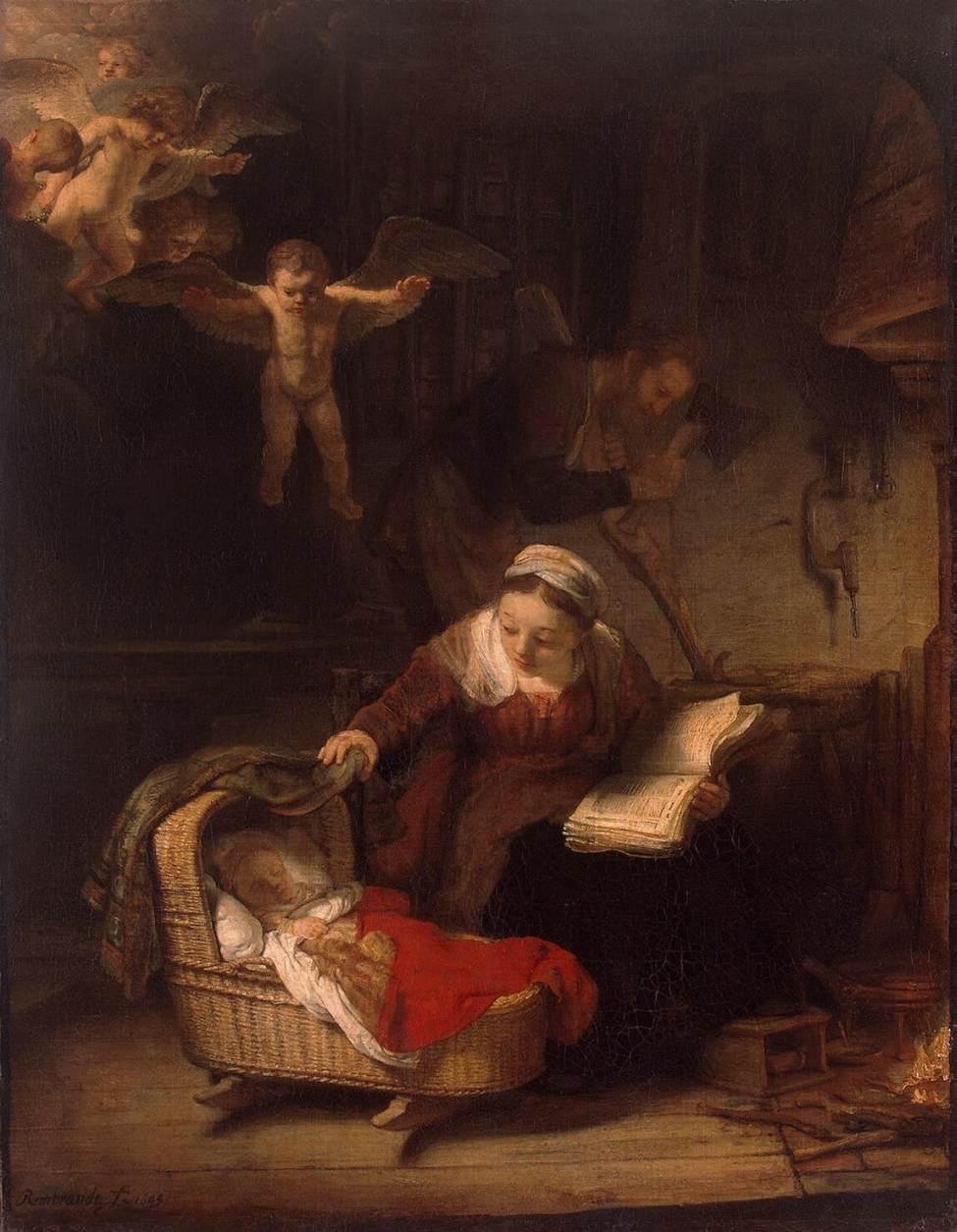
The Coventry Carol is the darkest piece on the program, and one of the most beautiful. Its words come from a mystery play performed by the shearmen and tailors of Coventry in the sixteenth century. In the play, the mothers of Bethlehem sing it to their infants as Herod’s soldiers approach. “Lully, lulla, thou little tiny child” is not a promise that everything will be well. It is what a parent sings when it may not be.
Philip Stopford, an English composer and church musician, sets the old words to new music that is gentle on the surface and full of ache underneath. In a concert built around the turning of the year, it is the moment the program admits how long the night can be. The light in it is small and human: a voice kept low and steady so a child can sleep.
Every child’s face
Alfred Burt carried on his father’s tradition of a new carol each year for the family’s Christmas card, and from 1949 the words were by Wihla Hutson; Some Children See Him (1951) became the best known of them. Its idea is simple and generous. Children of every land picture the Christ child with their own faces, their own skin, their own hair. The song answers the Coventry mothers from four centuries away. Every child is worth singing to.
Heard in sequence, the three lullabies trace a small history of the season: a German family hymn, an English lament, an American Christmas card. All three are sung quietly, by someone awake, to someone falling asleep.
Hear it in December
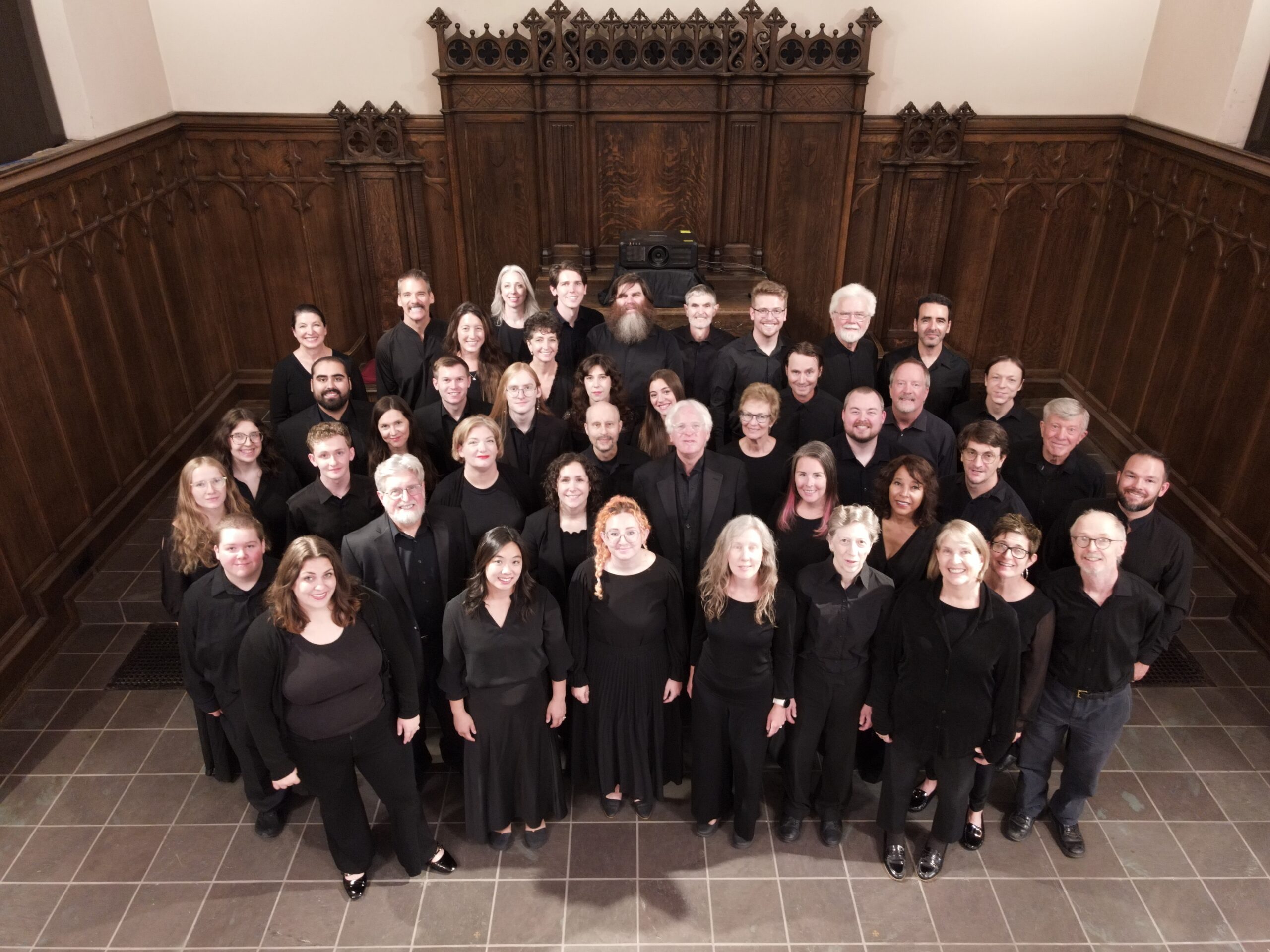
Darkness & Light: A Solstice Celebration
Ars Nova Singers, Tom Morgan, Artistic Director, with Gavin Kitchen, vibraphone and percussion
- Thursday, December 10, 2026, 7:30 pm: United Church of Christ, 1500 9th Avenue, Longmont
- Sunday, December 13, 2026, 3:00 pm: St. Paul Center for Music and the Arts, 1600 Grant Street, Denver, and by livestream
- Thursday, December 17, 2026, 7:30 pm: Mountain View United Methodist Church, 355 Ponca Place, Boulder
- Saturday, December 19, 2026, 7:30 pm: Mountain View United Methodist Church, 355 Ponca Place, Boulder
Adult tickets are $40. Students and youth 18 and under attend free, because live choral music belongs to the next generation too. Livestream tickets for the Denver performance are $35. Read more: A Drop of the Sea, a Star of the Sea.