
A Drop of the Sea, a Star of the Sea
How one copied letter turned a drop of water into the star sailors steer by.
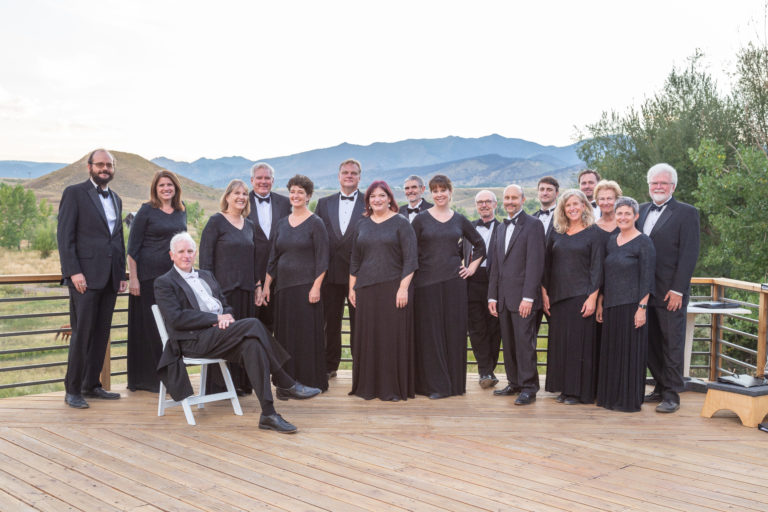
This December, Ars Nova Singers presents Darkness & Light: A Solstice Celebration, the second concert of the 2026/27 Confluence season, conducted by Artistic Director Tom Morgan with guest artist Gavin Kitchen, principal percussionist of the Longmont Symphony Orchestra, on vibraphone and percussion. The choir sings it four times: Thursday, December 10 in Longmont, Sunday, December 13 in Denver (also streamed live), and Thursday, December 17 and Saturday, December 19 in Boulder. The first half of the program is built around a single word, Ave, “hail,” sung across eight centuries: Hildegard of Bingen’s twelfth-century responsory Ave Maria, O auctrix vitae; two settings of Ave virgo sanctissima, one by the Spanish priest Francisco Guerrero, in print by 1570, and one by the English composer Lucy Walker, written in 2023; and Trond Kverno’s Ave maris stella of 1976. All four greet the same figure, and each greets her with an image of light held up against the dark.
A drop
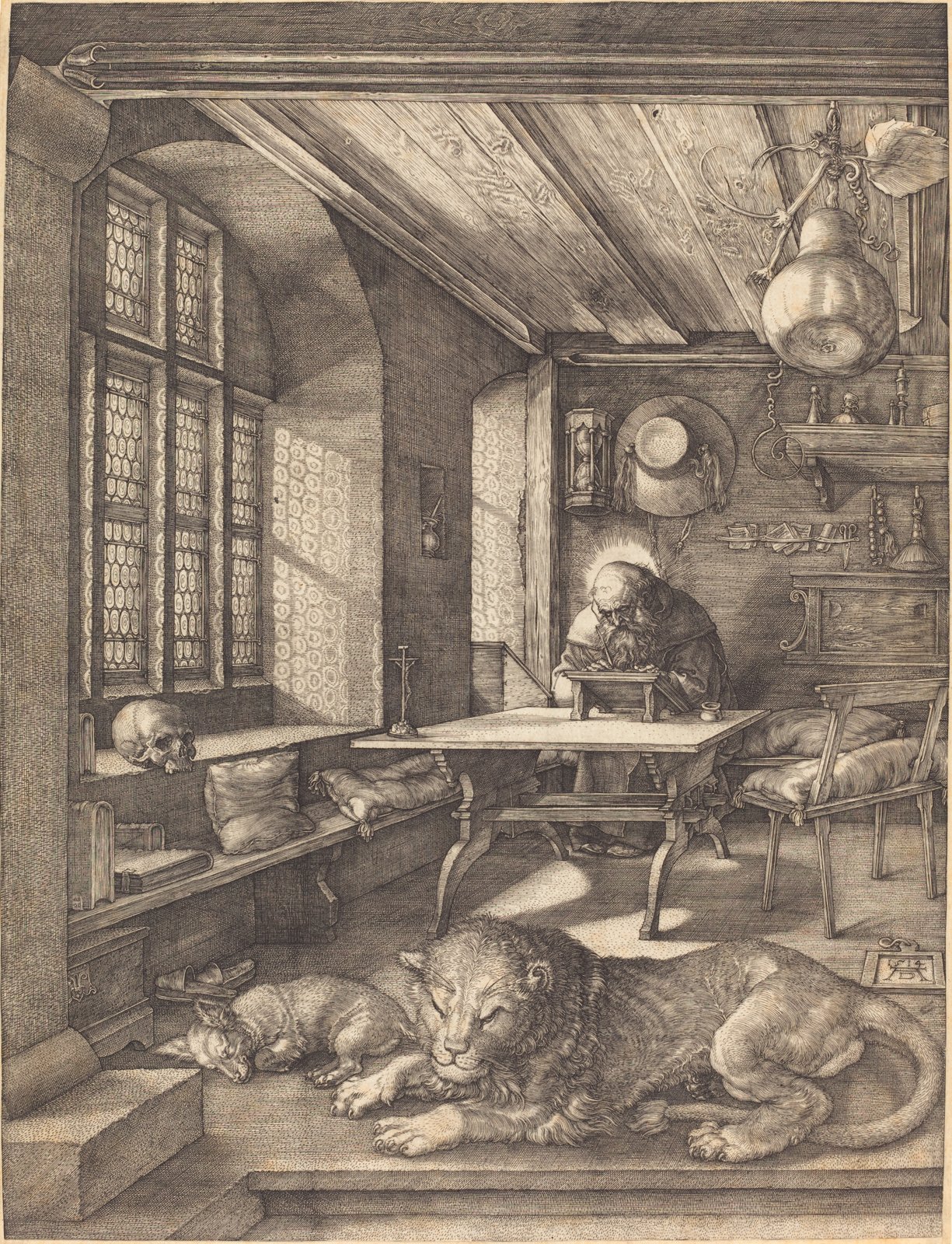
The title in Kverno’s piece, maris stella, “star of the sea,” probably began as a slip of the pen. Around the year 400, Saint Jerome, compiling a Latin guide to the meanings of Hebrew names, glossed Miriam, the Hebrew form of Mary, as stilla maris: a drop of the sea. At some point a copyist wrote an e where Jerome had written an i, and the drop became a star. Scholars still argue over whether the change was an accident or a second reading Jerome himself allowed, but the copied version won. By the ninth century, when the hymn Ave maris stella turns up in a manuscript at the Swiss abbey of St. Gall, Mary was the star sailors steered by, and she has stayed there since.
It is hard to imagine a better accident for a December concert. A drop of water in the ocean is the most anonymous thing there is. A star at sea is the one point a lost ship can find in the dark. One vowel separates them.
A star
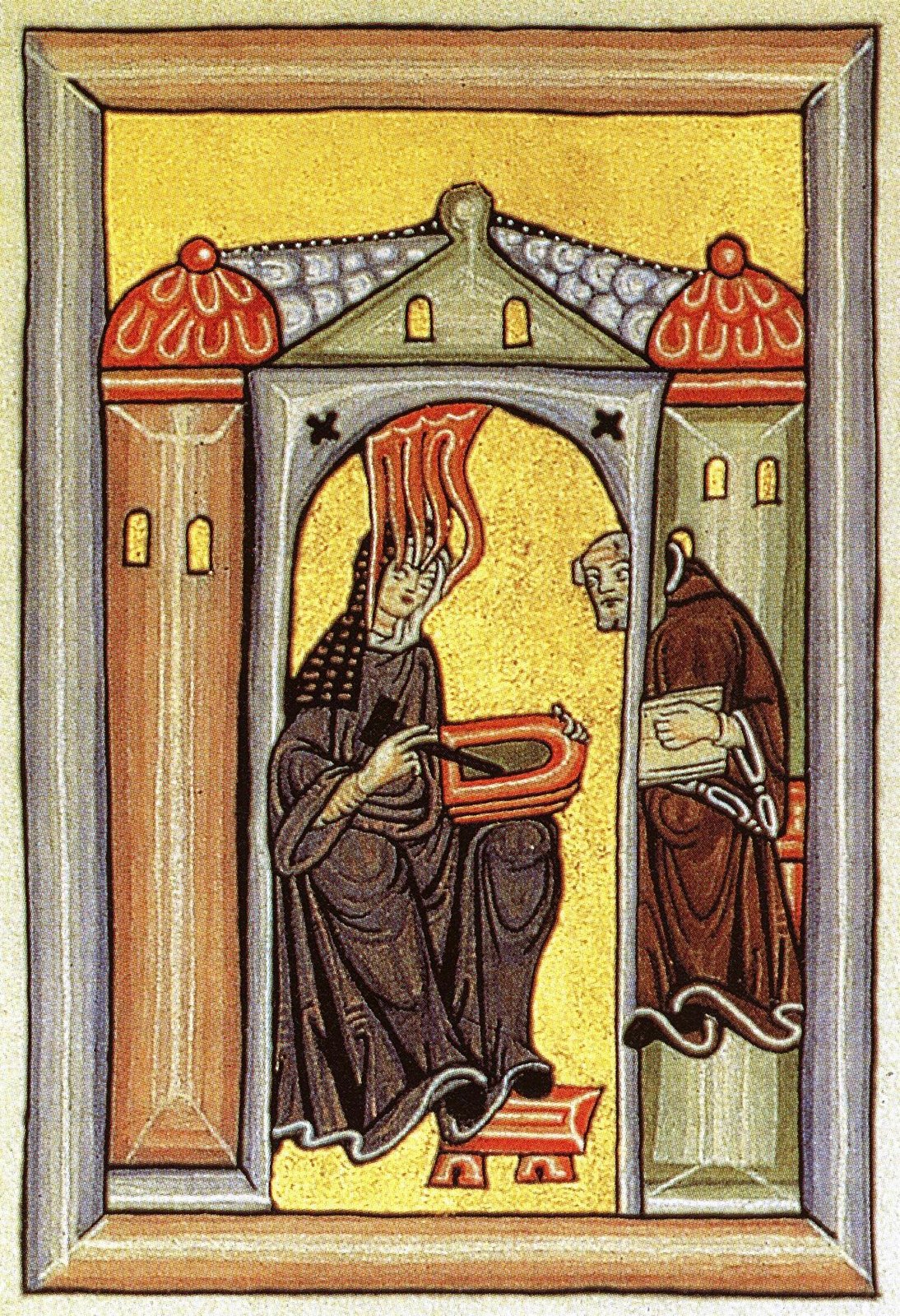
Hildegard of Bingen, the abbess, visionary and composer whose music opens the concert, lived in a century that took the star seriously. Her older contemporary Bernard of Clairvaux preached a famous sermon on the name of Mary that turns on the image: when the winds rise and the boat of the soul is driven toward the rocks, he tells his listeners, “look to the star, call on Mary.” Hildegard wrote to Bernard herself in the 1140s, asking whether she should trust the visions that would become her life’s work.
Her own greeting, Ave Maria, O auctrix vitae, “Hail Mary, O authoress of life,” comes from her song cycle Symphonia armonie celestium revelationum, copied in two manuscripts made in her own circle. The text is a story about a serpent crushed and death thrown into confusion, but the music saves its height for one word. The opening phrase is richly ornamented and climbs to the top of its range on vitae, “life,” before the later sections settle into plainer lines. Ars Nova sang Hildegard in 2014, when Tom Morgan’s program notes praised “the ethereal spin of Hildegard’s ornamented melodies.” In a concert about the year’s longest nights, a melody that rises on the word for life reads as a small, deliberate act of defiance.
Fixed points
The star that guided sailors was the pole star, and the pole star is not especially bright. Dozens of stars outshine it. What made it useful was that it held still while the rest of the sky turned.
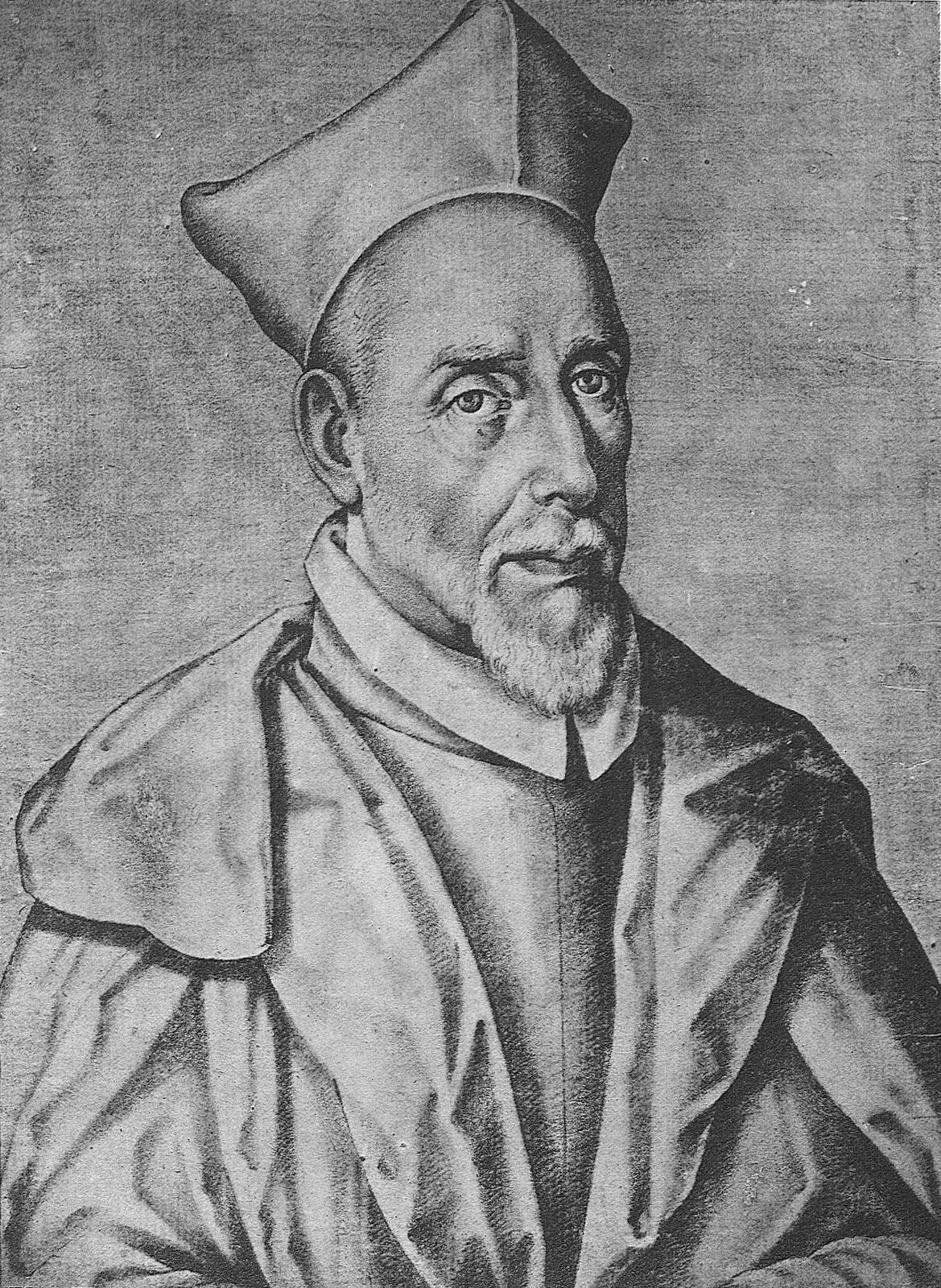
The two settings of Ave virgo sanctissima on this program are a lesson in that kind of constancy. The anonymous Latin hymn greets Mary as, among other things, margarita pretiosa, a precious pearl, borrowing from the parable of the merchant who sells everything for one pearl of great price. Francisco Guerrero, a priest who served as a cathedral musician in Jaén and Seville and was a contemporary of Palestrina, set the text for five voices as a canon at the unison: one soprano sings the melody and a second follows a few beats behind on the very same notes, while three lower voices move freely underneath. Two voices, one line, a reflection trailing its original across the water.
Four and a half centuries later, Lucy Walker set the same words for the Choir of York Minster’s 2023 service of Nine Lessons and Carols. Her setting is warm and florid, written for a divided choir without accompaniment, and it ends with its melody climbing into the upper voices. Walker, Composer in Residence at Clare Hall, Cambridge, has been heard at the Last Night of the Proms, and in December 2025 The Sixteen sang her Ave virgo sanctissima at Trinity College Chapel on a program that also included Guerrero’s. Ars Nova borrows the pairing because it shows how little the text needed to change. The sky turned; the words stayed where they were.
Toward the solstice
Trond Kverno wrote his Ave maris stella in 1976 for six-part choir. He is a Norwegian organist and church musician, a professor of church music in Oslo, and part of the renewal of Norwegian sacred music begun by Knut Nystedt and Egil Hovland, two composers Ars Nova audiences already know. His setting has become one of the most performed pieces of choral music in Norway, and Ars Nova has returned to it four times before, in 1994, 1998, 2005 and 2014. This December will be the fifth.
Heard together, these four greetings make an argument the program never states out loud. The images people reach for in the dark are rarely blazing ones. A drop of water, a pearl, a faint and stubborn star: each is small, and each is valued because it can be found when nothing else can. The winter solstice falls on December 21, a few days after the last of these performances, and the music makes no promise that the dark will lift sooner than that. It only keeps a light where the ship can see it.
Hear it in December
Darkness & Light: A Solstice Celebration
Ars Nova Singers, Tom Morgan, Artistic Director, with Gavin Kitchen, vibraphone and percussion
- Thursday, December 10, 2026, 7:30 pm: United Church of Christ, 1500 9th Avenue, Longmont
- Sunday, December 13, 2026, 3:00 pm: St. Paul Center for Music and the Arts, 1600 Grant Street, Denver, and by livestream
- Thursday, December 17, 2026, 7:30 pm: Mountain View United Methodist Church, 355 Ponca Place, Boulder
- Saturday, December 19, 2026, 7:30 pm: Mountain View United Methodist Church, 355 Ponca Place, Boulder
Adult tickets are $40. Students and youth 18 and under attend free, because live choral music belongs to the next generation too. Livestream tickets for the Denver performance are $35.