Read Turoldo: The Poet Nicolò Spera Insisted On
By Jonathan Raabe
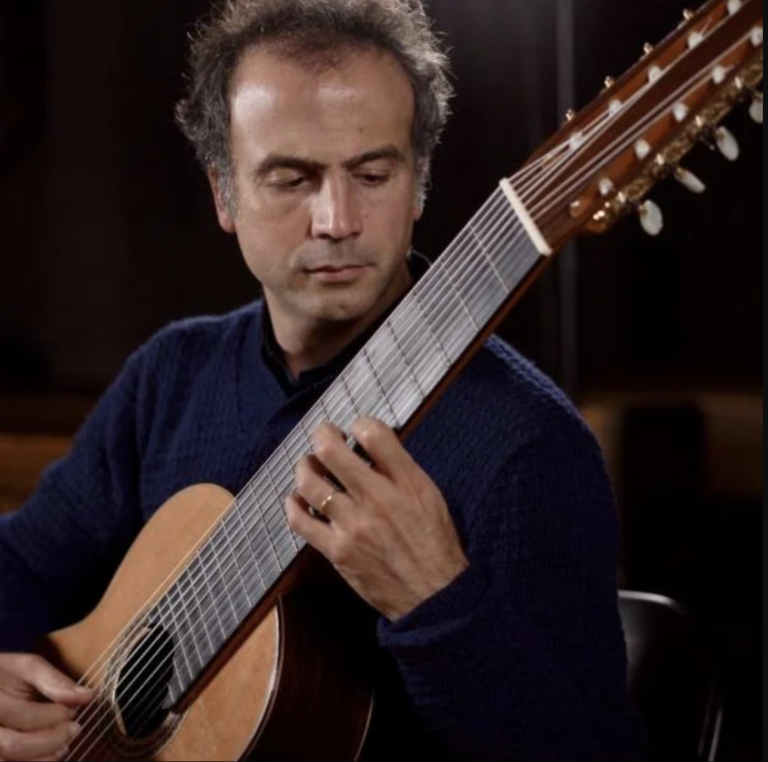
We asked Nicolò Spera whether an audience should prepare for this program. He said no.
“I would say to actually come unprepared because it’s musical and doesn’t need preparation, and I think that it is beautiful to just let it hit you and see what happens and then do some research after.”
Then he named one poet anyway.
“But if someone wants to start, I would say to maybe start with the poetry of David Maria Turoldo.”
He had made the same request of the composer. When Spera commissioned Rivers from Corrado Margutti, he gave him one condition and only one: “you can do whatever you want, but we need to have one poem by Turoldo.”
Who he was
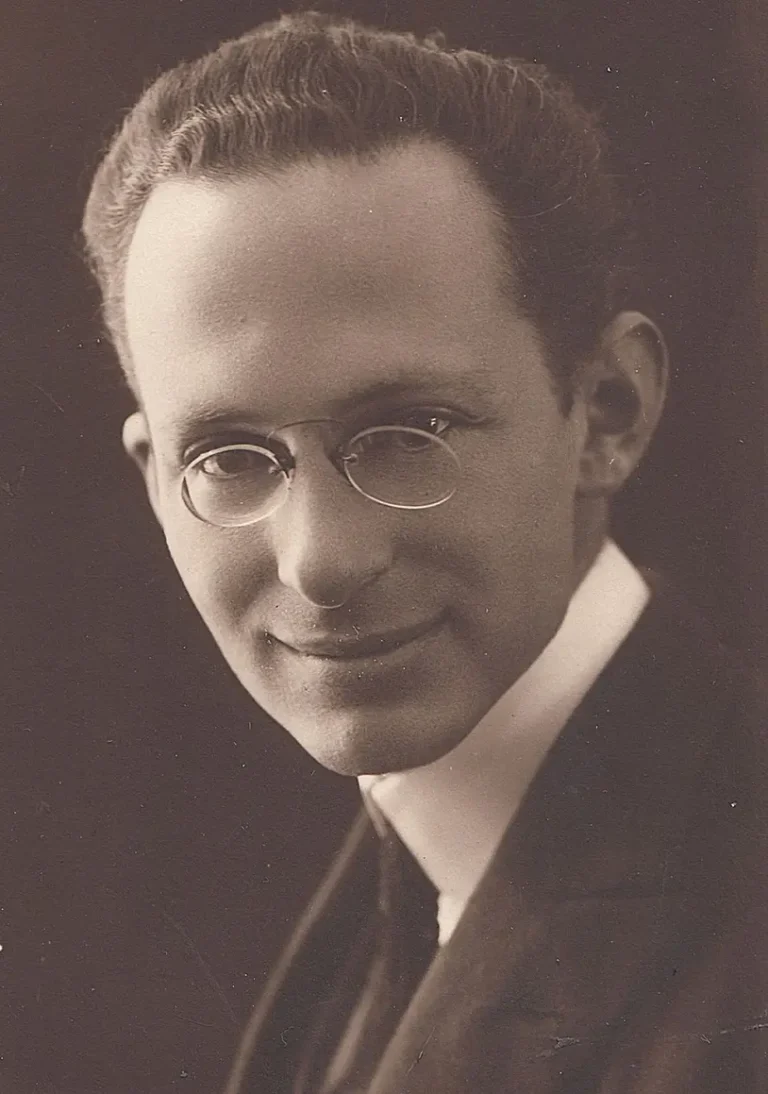
David Maria Turoldo was born on November 22, 1916, in Coderno di Sedegliano, in Friuli, the ninth of ten children in a family with very little. He entered a Servite convent at thirteen, professed vows in 1935, and was ordained a priest on August 18, 1940. He died in Milan on February 6, 1992.
Between those dates he was, among other things, a war-time organizer. During the German occupation of northern Italy he worked with the Resistance from the convent at San Carlo al Corso in Milan, where he founded and distributed a clandestine periodical, l’Uomo.
The part that belongs in this piece
In 1953 Turoldo was forced to leave Milan. The pressure came from both directions — local politicians and his own church superiors — and the offence was his preaching, which had become pointed about wealth and materialism in a wealthy city, and his association with the Nomadelfia community.
He was moved to Servite houses in Austria and Bavaria. In 1955 he was sent to Florence. Then, through the later 1950s, he was kept traveling: the United States, Canada, the United Kingdom, South Africa, Argentina — in large part ministering among Friulian emigrants, the people who had left the region he came from. He returned to Italy around 1960. In 1964 he founded the community of Sant’Egidio at Fontanella, in Sotto il Monte, the birthplace of John XXIII, and stayed there.
So the poet Spera insisted on putting into a piece about migration was a man whose own institution sent him away, and who spent those years among people who had also left.
Margutti did not have to reach for the connection. He only had to use the poem.
Why an atheist guitarist reads a priest
Spera is direct about this, and it is the most useful thing anyone has said to us about how to hear the work.
“David Maria Turoldo was a Catholic priest. I’m not Catholic, I’m not religious, I’m atheist. My mom is atheist. But one of her favorite poets, and one of my favorite poets is David Maria Turoldo.
“He’s one of those great religious men that makes you forget that what he’s talking about has something to do with God and with religion because it’s so profoundly human. And he was an amazing human being that did so many things that every man of every religion should do and they don’t.
“So read Turoldo. Not many people know of this man, most of all in the United States, but it’s fantastic.”
Where to find him
That last point is the practical problem. Turoldo’s main collections — Io non ho mani (1948), Udii una voce (1952), Gli occhi miei lo vedranno (1955), O sensi miei, and Canti ultimi, written in 1991 while he was dying — are standard in Italy and very largely untranslated into English. There is no well-known English collection to point you at.
The Centro Studi David Maria Turoldo maintains a biography and bibliography, and the Italian Wikipedia article is substantial. Both are in Italian, and a browser translation handles them well enough to be worth the five minutes.
Where to hear him: Turoldo’s poem is the second movement of Rivers, “All’ultima sera” (On the Last Evening), from his collection O sensi miei… Poesie 1948–1988. Spera remembered it as the third; the printed score settles it.
The performances
Friday, October 9, 7:30 pm, Mountain View United Methodist Church, 355 Ponca Place, Boulder. Saturday, October 10, 7:30 pm, St. Paul Center for Music and the Arts, 1600 Grant Street, Denver, and by livestream. Sunday, October 11, 4:00 pm, United Church of Christ, 1500 9th Avenue, Longmont.
Tickets and details: Rivers & Streams. The full conversation with Nicolò Spera is here.