Music for the Longest Nights
“Luminous medieval harmonies, joyous motets, and favorite carols in sparkling new arrangements.”
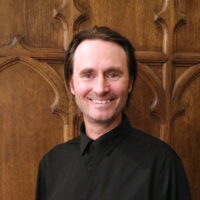
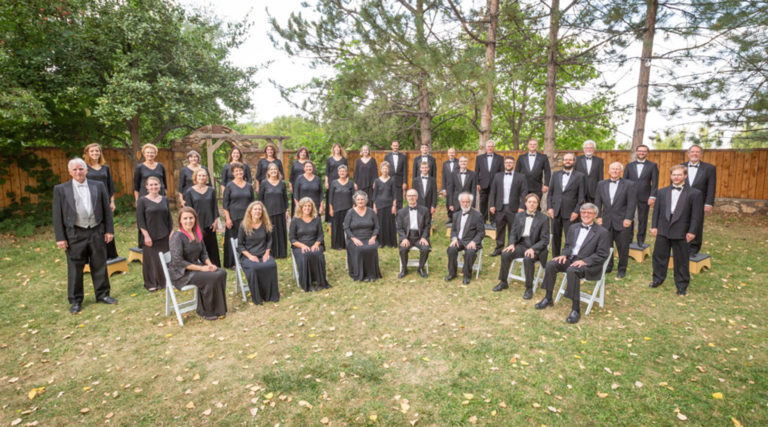
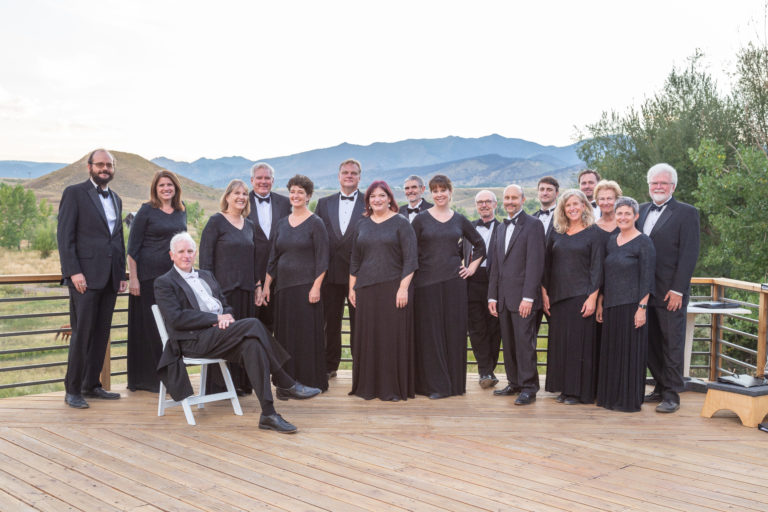
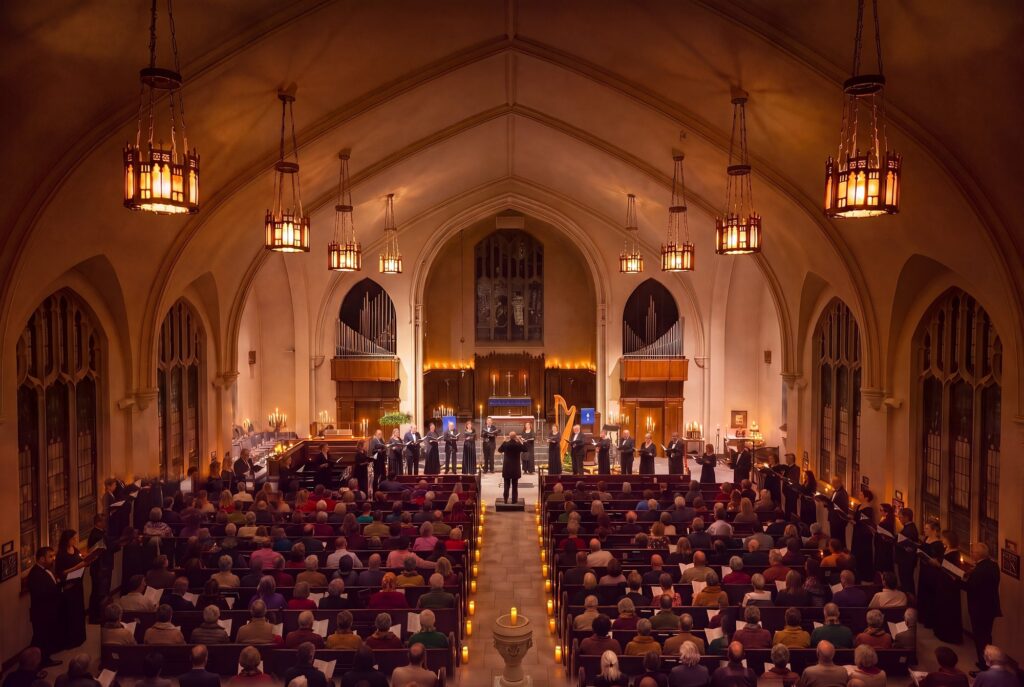
This December, Ars Nova Singers presents Darkness & Light: A Solstice Celebration, the second concert of the 2026/27 Confluence season, conducted by Artistic Director Tom Morgan with guest artist Gavin Kitchen, principal percussionist of the Longmont Symphony Orchestra, on vibraphone and percussion. The choir sings it four times: Thursday, December 10 in Longmont, Sunday, December 13 in Denver (also streamed live), and Thursday, December 17 and Saturday, December 19 in Boulder. The program travels from the twelfth-century chant of Hildegard of Bingen to carols written in the last twenty years, and it includes music by five women composers: Hildegard, Lucy Walker, Ghislaine Reece-Trapp, Errollyn Wallen and Joanna Forbes L’Estrange. It is music for the darkest weeks of the year, and it is laid out like one long winter night, from the first candle to the first light.
Every culture that has lived through a winter has arrived at the same two words. Darkness and light are conditions for one another: a candle is only visible because of what surrounds it, and the shortest days of the year are precisely the days people choose to light something. The solstice, which falls on December 21, two days after the last of these performances, is the turning point. The nights stop lengthening. Each day after it brings us a little closer to the sun.
The first candle
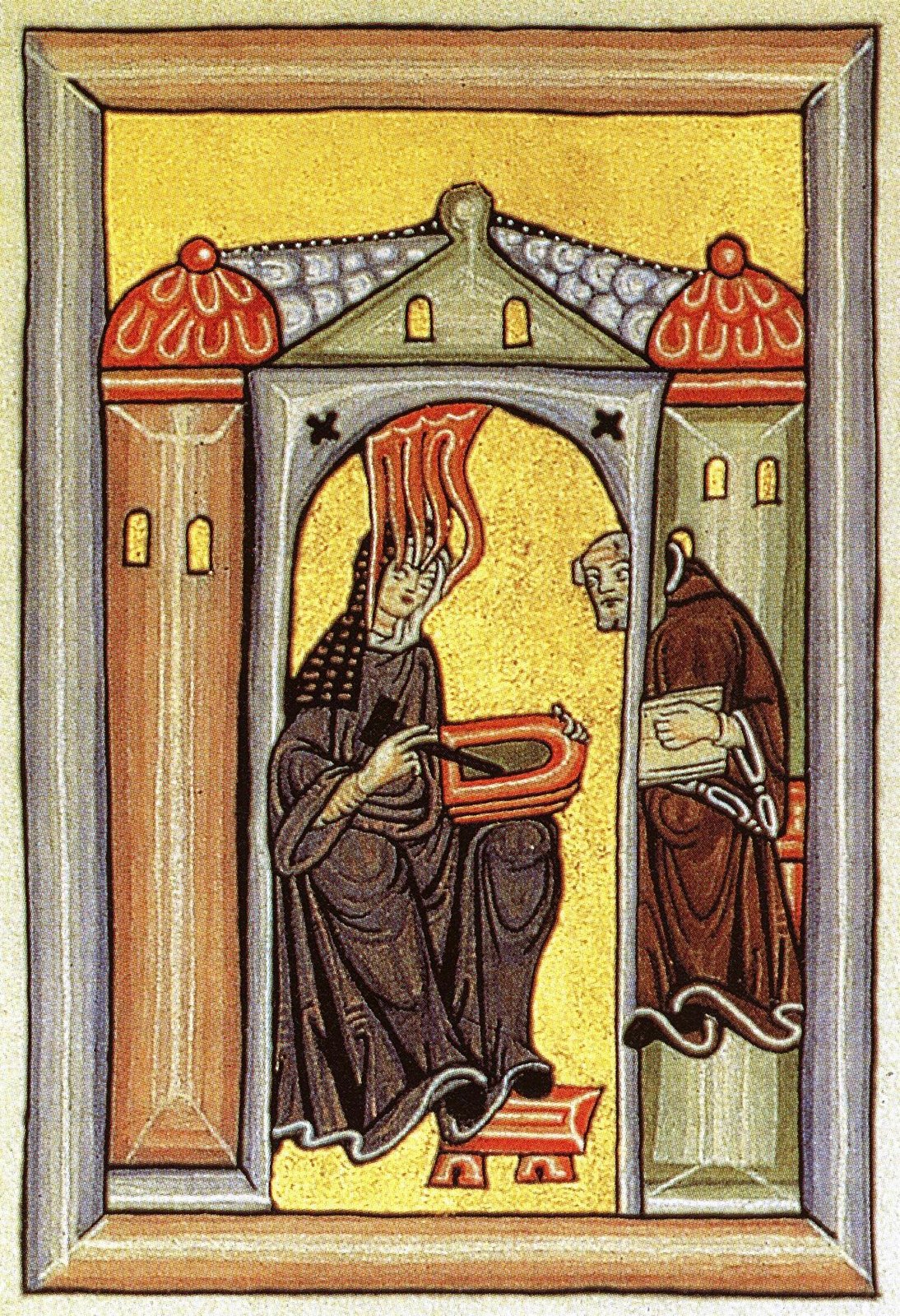
The concert begins in the oldest music on the program, and the quietest light. Hildegard of Bingen, the Rhineland abbess, visionary and composer, wrote O auctrix vitae, “O authoress of life,” for the song cycle she called the Symphony of the Harmony of Celestial Revelations. A single line of chant, sung without harmony or accompaniment, it climbs to the top of its range on one word, vitae, life. In the longest nights of the year, the first thing the choir does is lift its voice on that word.
This is what “luminous medieval harmonies” means in practice. Medieval singers had no electric light, and the music they wrote for winter services was made to fill stone churches lit by candles: long, slow, high lines that seem to hang in the air after the voices stop. Heard in a dark room, it doesn’t chase the dark away. It glows inside it.
Waiting for morning
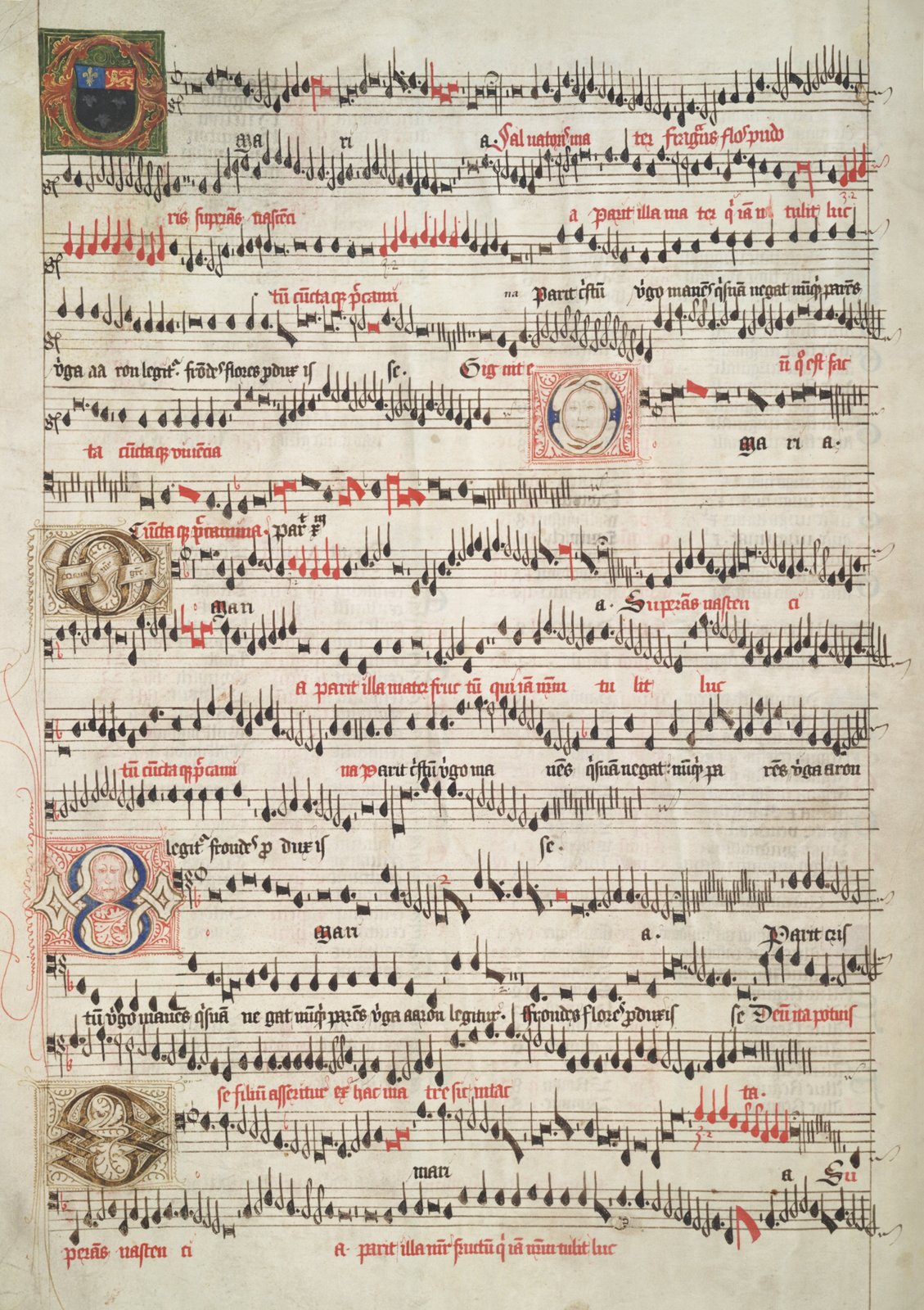
Two English pieces from around the year 1500 follow, and both are about the end of a long night. This gentil day dawes survives in a single songbook copied for the court of Henry VII, and its refrain is a lover’s line at sunrise: this gentle day dawns, and I must home go. Later listeners heard the Virgin Mary in the song’s fair queen, which is how a song about leaving at dawn became a Christmas carol. The voice that has to go home at first light and the voice that greets a new day are the same voice.
John Plummer’s Anna mater matris comes from the Eton Choirbook, a manuscript so large that a whole choir could read from one book on a stand. Plummer trained the boys who sang for Henry VI, and his motet honors Saint Anne, the mother of Mary. In a program about light, it reaches one generation further back: before the light, the one who carried it.
The turning
At the center of the first half, two settings of the same prayer sit side by side. Ave virgo sanctissima greets Mary as a precious pearl and a star of the sea, images of small lights that can be found when nothing else can. Francisco Guerrero, a Spanish priest and a contemporary of Palestrina, set it as a canon: one soprano sings the melody and a second follows a few beats behind on the very same notes, a reflection trailing its original across the water. Lucy Walker set the same words in 2023 for the Choir of York Minster, in a warm, florid setting whose melody climbs into the upper voices at the end. Four and a half centuries separate the two. The words did not need to change.
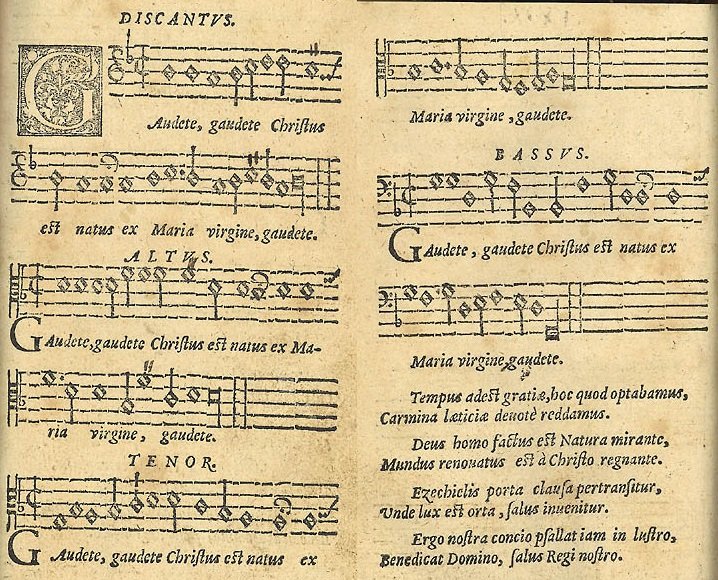
Then the motets turn joyous. Gaudete means “rejoice,” and unlike the songs before it, it doesn’t wait for the dawn. First printed in 1582 in a book of Latin songs for the schools of Finland, it reached the British pop charts nearly four centuries later, and here it arrives in a driving arrangement by Karl Jenkins, the Welsh composer of The Armed Man. The night isn’t over, but the singers have decided how to spend it.
Trond Kverno’s Ave maris stella, written in 1976 and now one of the most performed choral works in Norway, greets the star sailors steered by, the pole star, which is not especially bright but holds still while the rest of the sky turns. Ars Nova has sung it four times before; this December is the fifth. (The story of how a copyist’s slip turned a drop of the sea into that star is told in A Drop of the Sea, a Star of the Sea.)
A light in the window
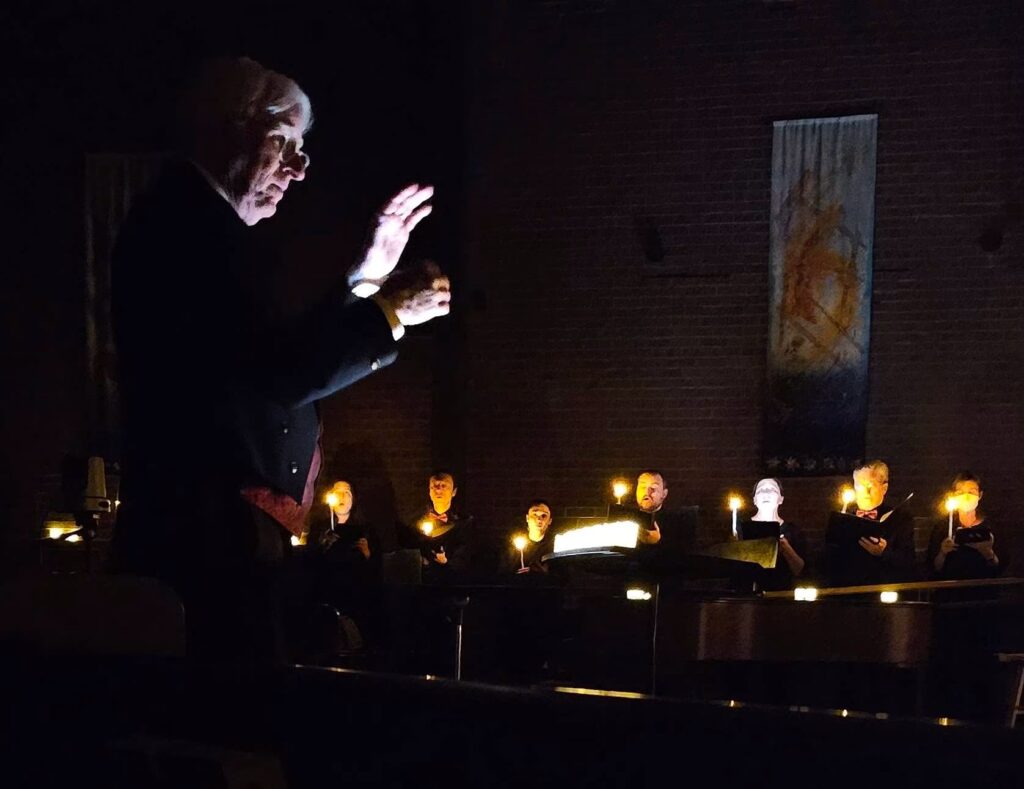
The first half closes with Alf Houkom’s The Rune of Hospitality, a setting of a traditional Gaelic blessing. The speaker sees a stranger at the door and sets out what the house has: food in the eating place, drink in the drinking place, music in the listening place. Only at the end does the poem reveal its turn: often, often goes the Christ in the stranger’s guise. On a northern island in December, a closed door could be a sentence of death, and feeding whoever arrived was a practical promise as much as a holy one. The light in this piece isn’t a star or a candle. It is the warmth spilling from an open door onto a cold step.
Bells in the dark
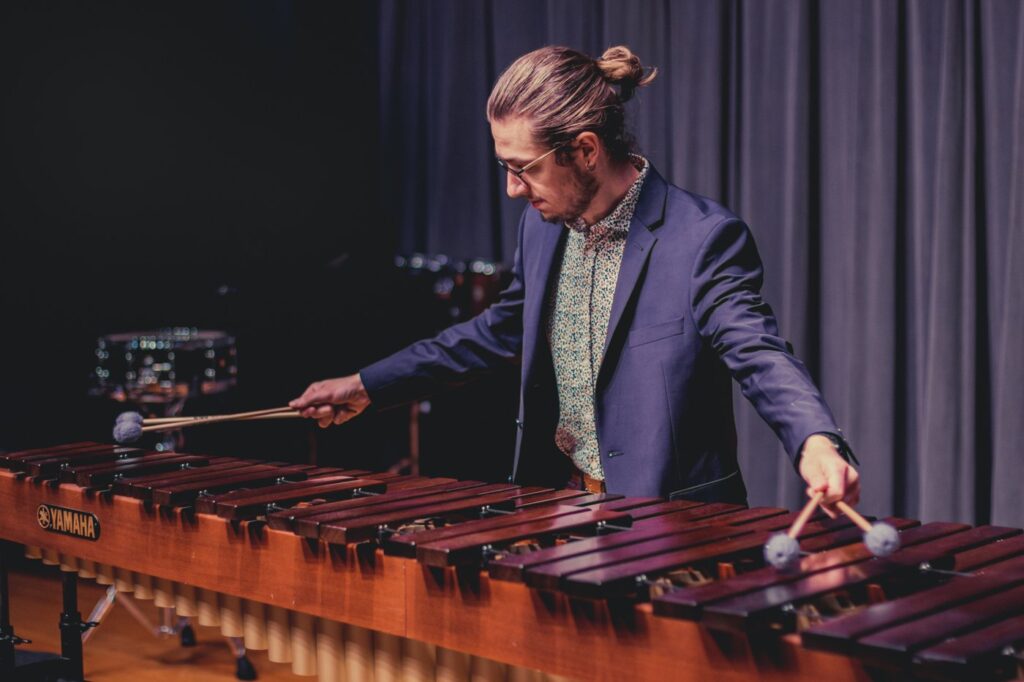
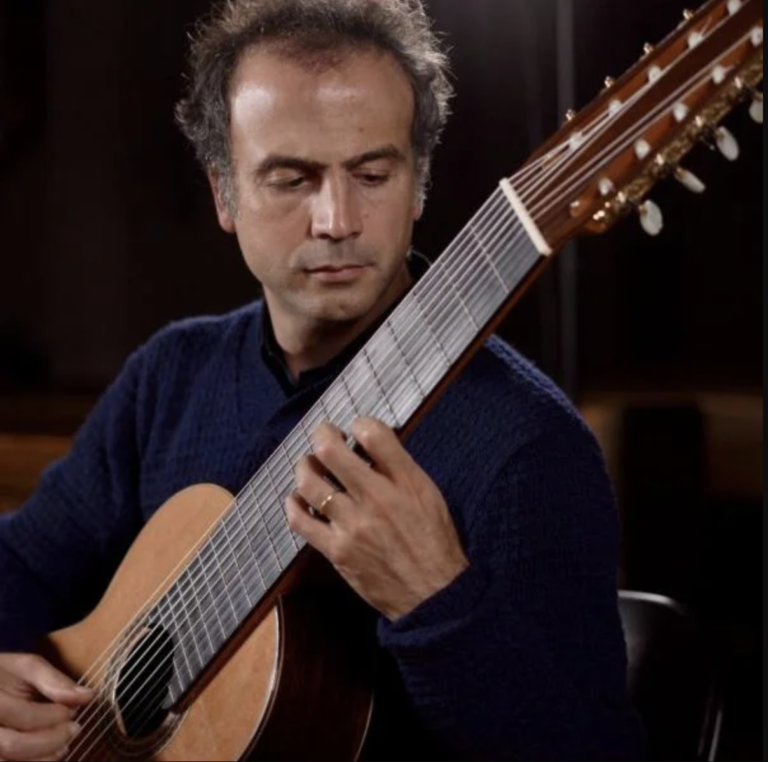
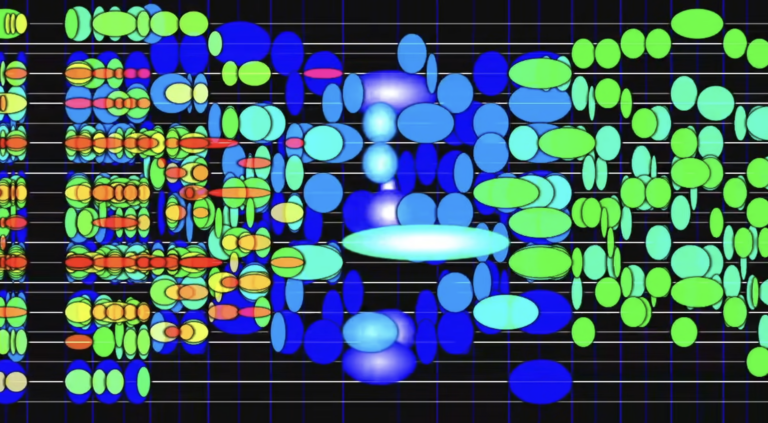
After intermission, Gavin Kitchen joins the choir. The vibraphone is an American invention, a keyboard of metal bars whose tones ring like small bells and then shimmer and hang in the air, the closest thing in the orchestra to the sound of candlelight. Gavin plays a solo of his own and accompanies the choir in J.S. Bach’s O Jesulein süss, “O sweet little Jesus,” in an arrangement by Edwin London. Bach wrote the tune for a 1736 hymnbook meant for singing at home: music at the scale of a family and a single candle. (Meet Gavin, and the instrument, in The Instrument That Sounds Like Light.)
Songs sung awake
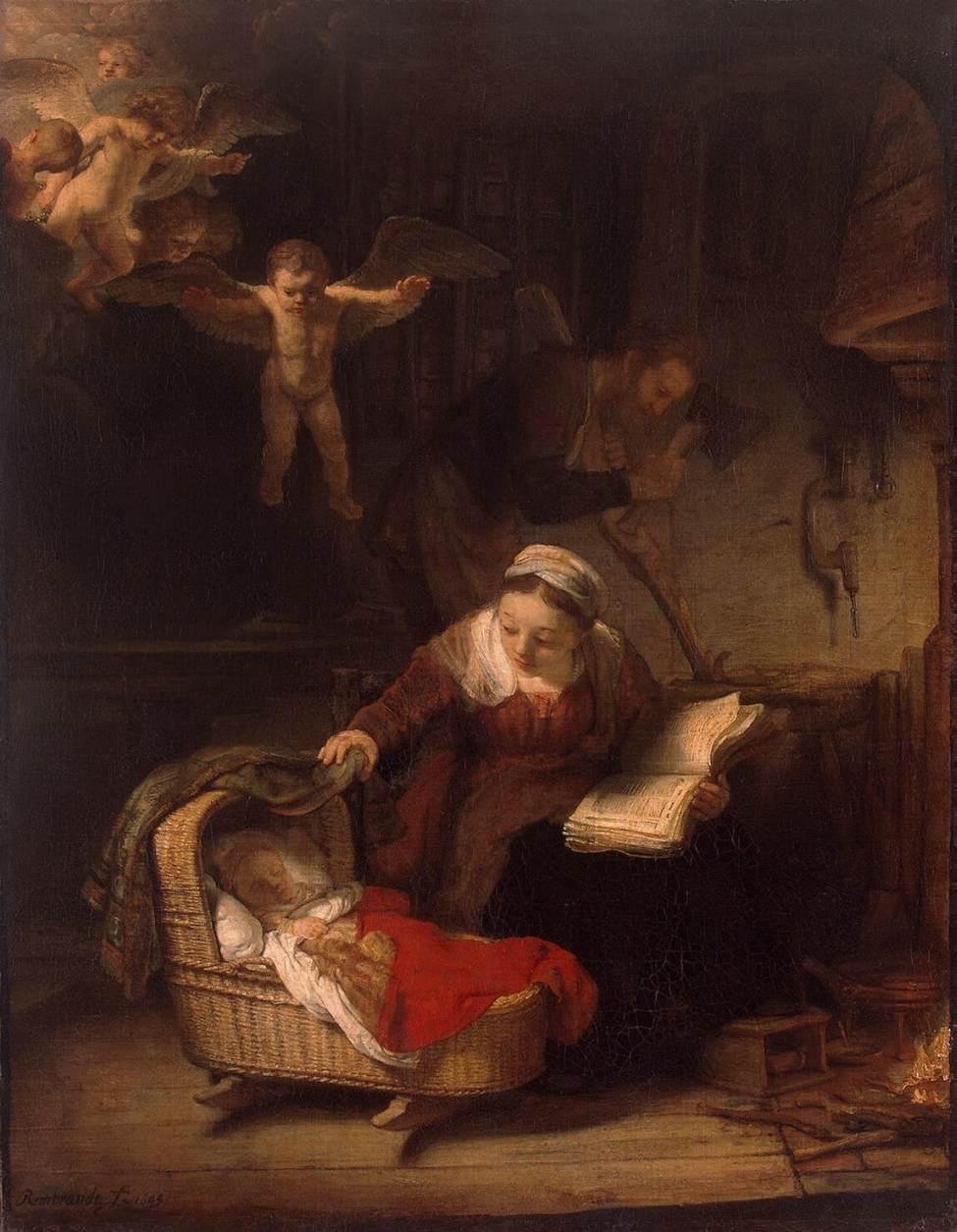
So much of the music of the darkest season is sung to a child, and the second half holds the darkest of those songs and the gentlest. Philip Stopford’s Lully, Lulla, Lullay sets the words of the Coventry Carol, sung in a sixteenth-century mystery play by the mothers of Bethlehem as Herod’s soldiers approach. It is not a promise that everything will be well; it is what a parent sings when it may not be. Alfred Burt’s Some Children See Him, written in 1951 for his family’s Christmas card, answers it from four centuries away: children of every land picture the Christ child with their own faces. A lullaby is the oldest kind of light a person makes in the dark, a voice kept low and steady by someone awake for someone falling asleep.
Errollyn Wallen’s Peace on Earth belongs here too. Wallen, now Master of the King’s Music, wanted to write a Christmas carol that wasn’t religious, and she wrote a tune almost anyone can learn on first hearing. Underneath it the accompaniment rings with bell-like figures that rub, here and there, against the melody, a small dissonance that never fully resolves. Wallen described the aim as capturing “the unease of winter and a yearning for hope and peace.” Most Christmas music arrives already consoled. This carol asks for peace from inside a winter that is still cold, and lets you hear the darkness and the light at once.
First light, and home
The last part of the concert is where the “sparkling new arrangements” of the title come home. Ghislaine Reece-Trapp’s Alleluia! A New Work is Come on Hand, a finalist in BBC Radio 3’s Carol of the Year competition, sets a fifteenth-century text about something new arriving and turning the world around: the program’s hinge from old manuscripts to songs people already carry with them. Howard Blake’s Walking in the Air, from the 1982 animated film of Raymond Briggs’s The Snowman, arrives in Joanna Forbes L’Estrange’s arrangement, the one moment in the evening when the darkness is something to fly through rather than wait out. I’ll Be Home for Christmas, written in 1943 for an America with millions of soldiers overseas, keeps its ache inside Alexander L’Estrange’s warm arrangement: a light left on for someone who can’t quite get there, “if only in my dreams.”
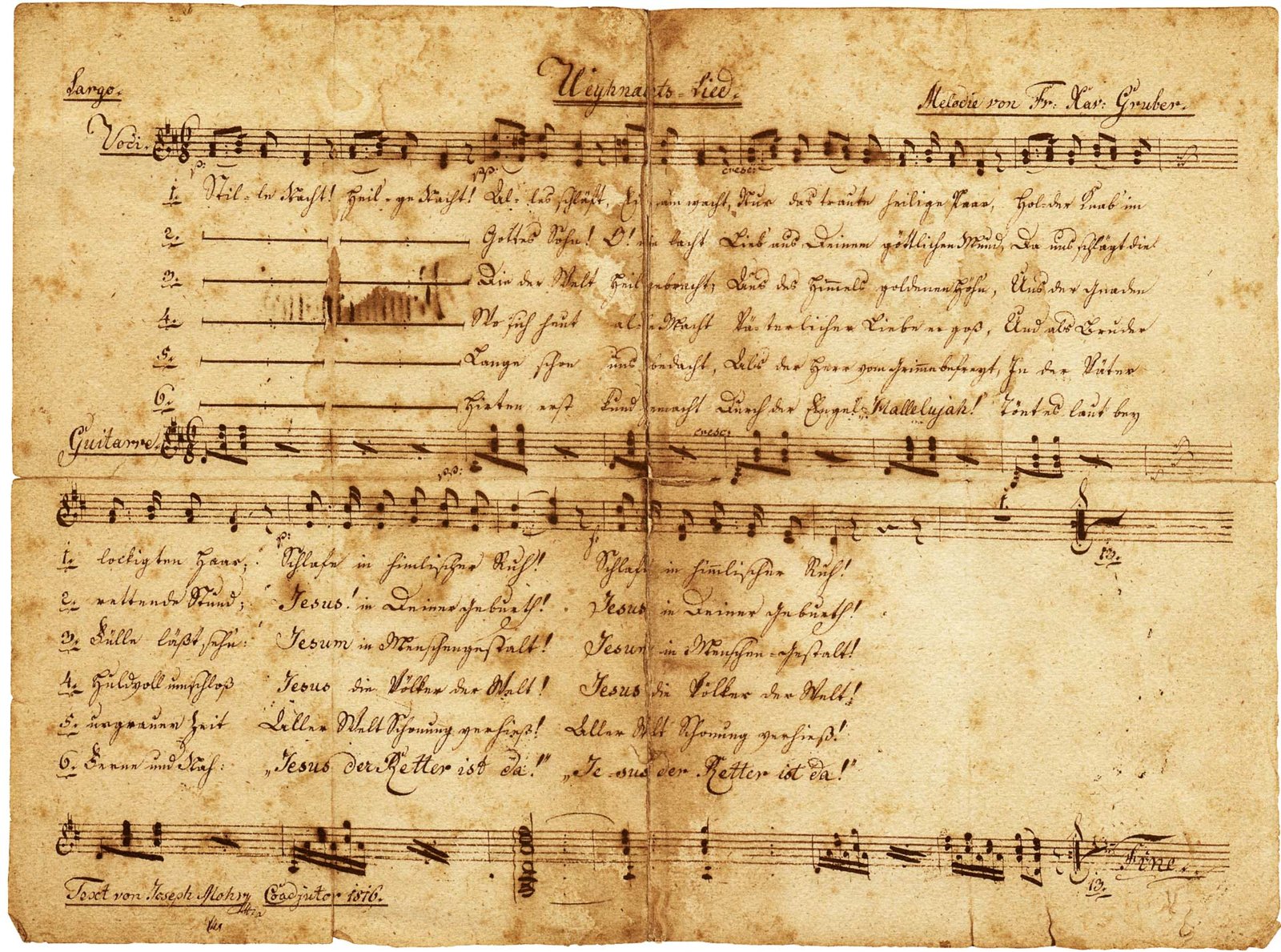
The evening ends with Daniel Kantor’s Night of Silence, written in 1981 to fit exactly against “Silent Night,” so that the two can be sung at the same time. One part of the choir sings Kantor’s newer melody while another sings Franz Gruber’s familiar tune, and they meet without either giving way. A concert that began with a single line of chant in a candlelit abbey ends with two songs, written more than a century and a half apart, sounding together. Outside it will still be dark. The days will already be getting longer.
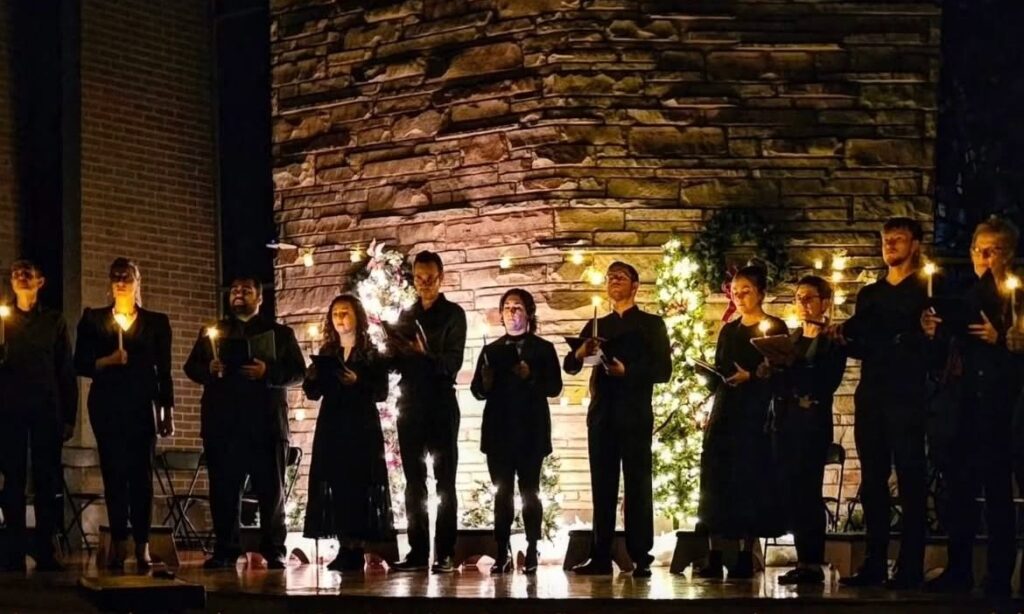
Hear it in December
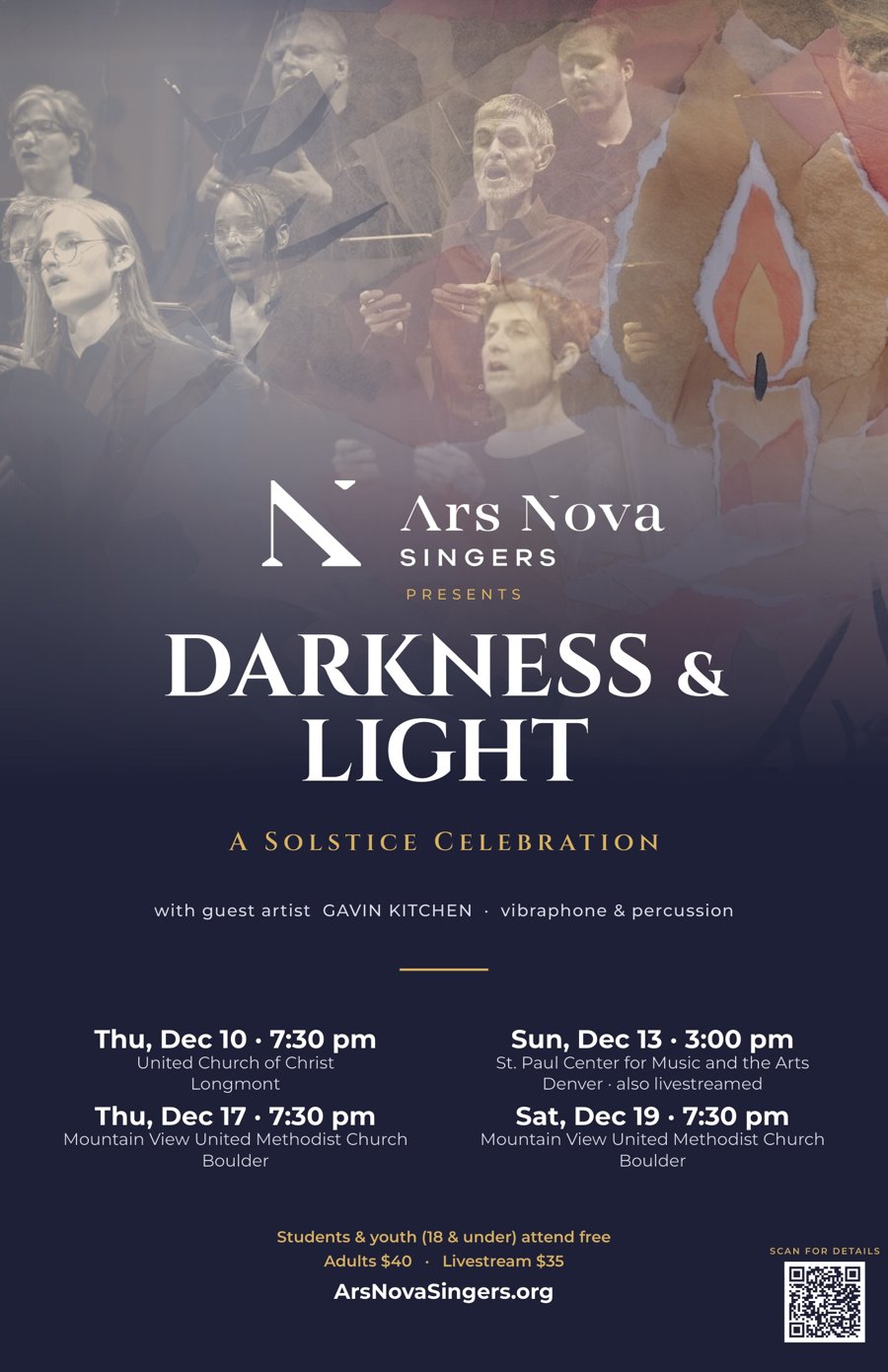
Darkness & Light: A Solstice Celebration
Ars Nova Singers, Tom Morgan, Artistic Director, with Gavin Kitchen, vibraphone and percussion
- Thursday, December 10, 2026, 7:30 pm: United Church of Christ, 1500 9th Avenue, Longmont
- Sunday, December 13, 2026, 3:00 pm: St. Paul Center for Music and the Arts, 1600 Grant Street, Denver, and by livestream
- Thursday, December 17, 2026, 7:30 pm: Mountain View United Methodist Church, 355 Ponca Place, Boulder
- Saturday, December 19, 2026, 7:30 pm: Mountain View United Methodist Church, 355 Ponca Place, Boulder
Adult tickets are $40. Students and youth 18 and under attend free, because live choral music belongs to the next generation too. Livestream tickets for the Denver performance are $35.