The Fayrfax Manuscript
The Fayrfax Manuscript is a book of English songs and sacred music copied around 1500, in the reign of Henry VII. The British Library, which holds it today as Add MS 5465, divides it into two parts: 37 secular songs for two or three voices, followed by 12 sacred pieces for three to five. Its music seems to have been meant for the royal court, and the book was probably copied in London or Windsor.
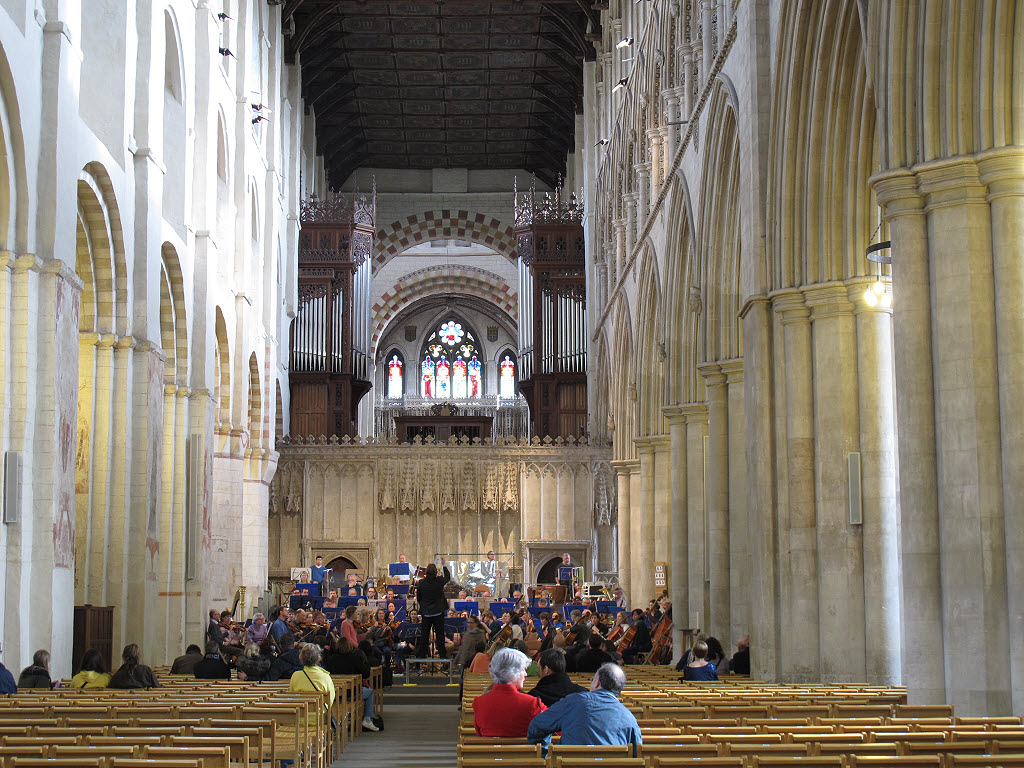
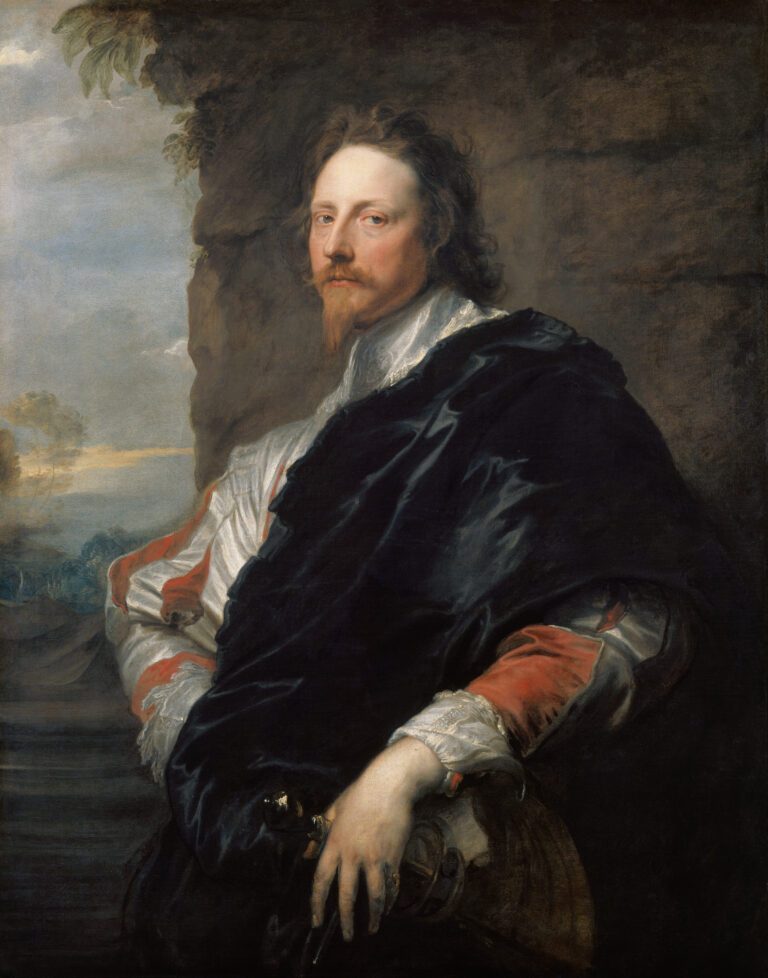
It is named for Robert Fayrfax, the leading English composer of the day. His coat of arms is painted into its initials, and a note on the first leaf records that he lies buried at St Albans. Whether he commissioned or owned the book is not known: the Library says only that it is “said to have” belonged to him. Seven of its pieces are his. Seven more are by William Newark, with others by Richard Davy, Edmund Turges and William Cornysh, and many have no name at all.
After Fayrfax the book passed to Charles Fairfax, who owned it in 1618, and later to the Leeds antiquary Ralph Thoresby. The British Museum bought it at auction in 1794.
Ars Nova and this music
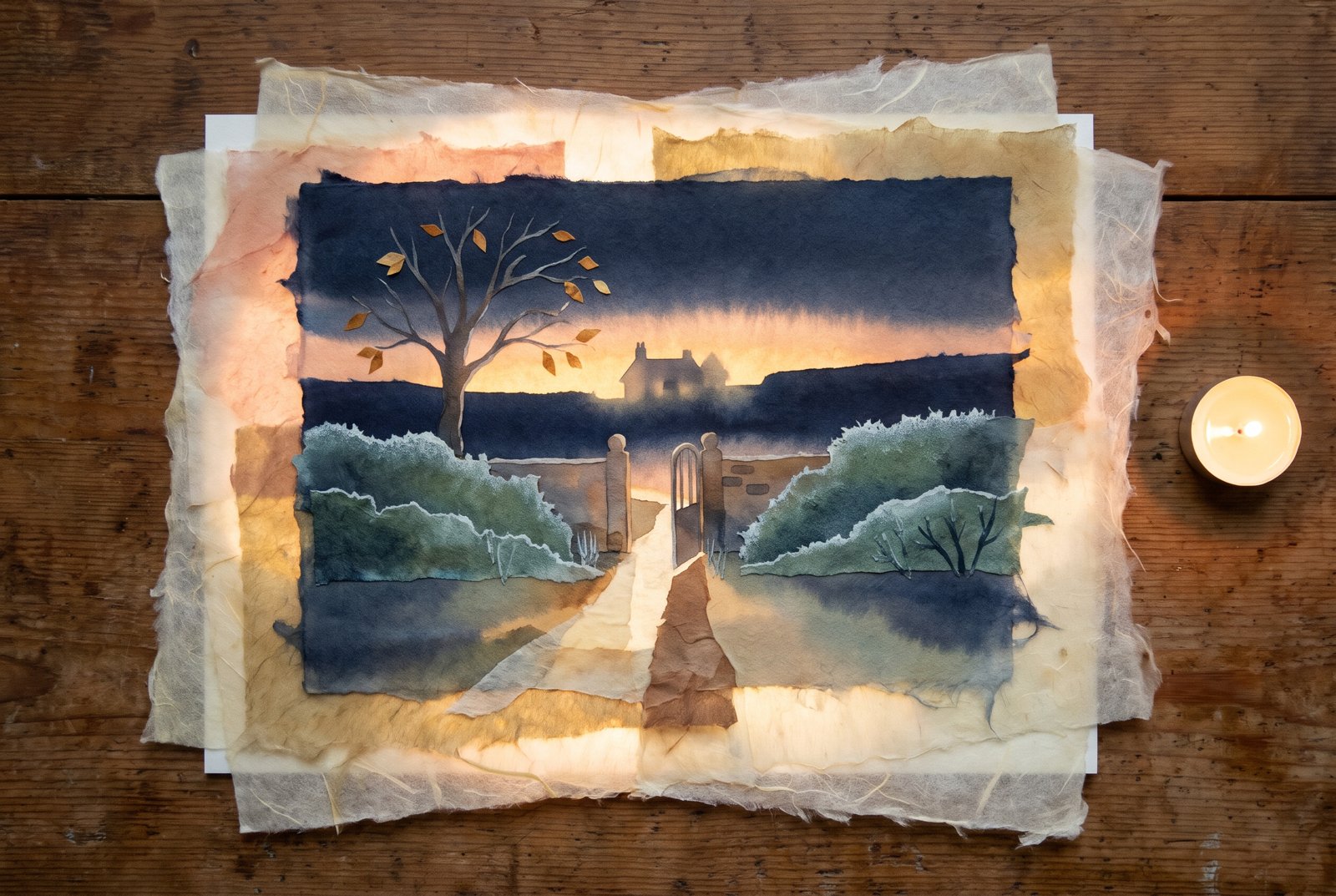
One of the book’s anonymous songs, This gentil day dawes, is sung early in the first half of Darkness & Light, Ars Nova Singers’ December 2026 program. Its refrain is a lover’s line at daybreak: this gentle day dawns, and I must home go.
Read more
- This Gentle Day Dawns: the song, and the music sung beside it
- Music for the Longest Nights
- Robert Fayrfax, the composer the book is named for
- The Eton Choirbook, a choirbook made at the same moment
Banner image: Darkness & Light artwork for This gentil day dawes.