Ave maris stella
Ave maris stella, “Hail, star of the sea,” is an anonymous Latin hymn to Mary. Its oldest surviving copy is in a ninth-century manuscript at the Abbey of St. Gall in Switzerland. It has been credited to Bernard of Clairvaux and to the poet Venantius Fortunatus, but scholars reject both. For centuries it has been sung at Vespers on feasts of Mary, and Edward Caswall’s translation of 1849, “Hail, thou Star of Ocean,” brought it into English hymnals.
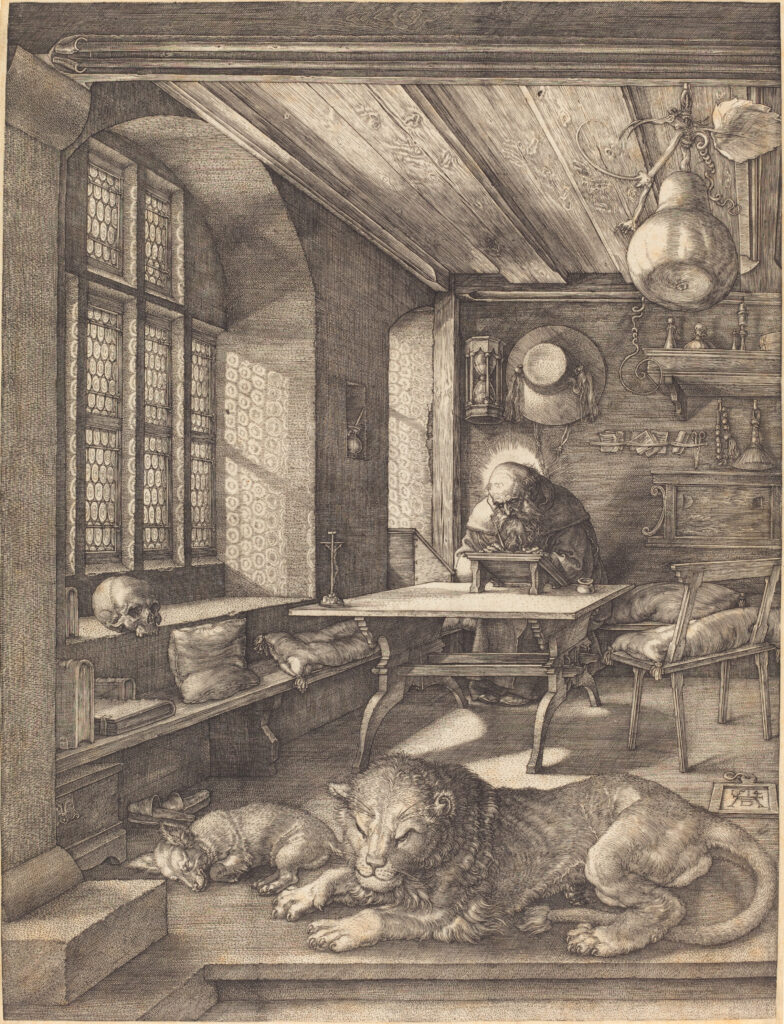
The title may have begun as a drop of water. Late in the fourth century Saint Jerome, explaining the meanings of Hebrew names, glossed Miriam as stilla maris, “a drop of the sea.” A late-ninth-century manuscript at Bamberg still reads stilla. Somewhere along the way, through a copyist’s hand or simply the way the word was spoken, stilla became stella, and the drop became the star that sailors steer by.
Ars Nova and this music
Ars Nova Singers sing Trond Kverno’s 1976 setting of Ave maris stella on Darkness & Light in December 2026.
Read more
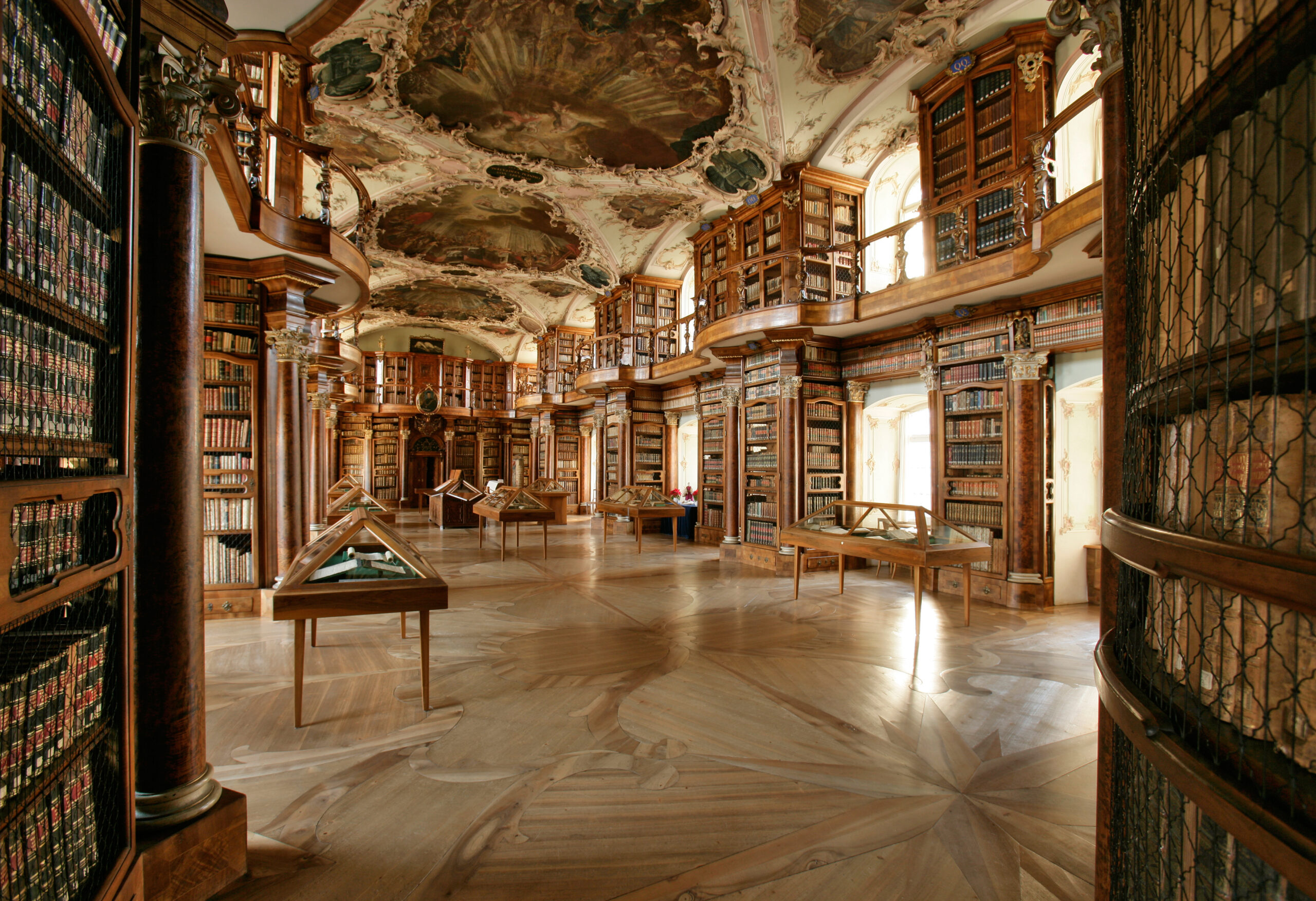
Banner image: The Abbey Library of St. Gallen, home of the oldest surviving copy of Ave maris stella. Photo: Martin Thurnherr, CC BY-SA 4.0, via Wikimedia Commons.